
How do 11+ mock exams help my child prepare for their 11+ exams?
If your child is sitting the 11+ in September, a mock exam can be one of the most useful tools in the final months of preparation — but only if it’s used in the right way. Here’s an honest look at what mocks do well, where they fall short, and how to make them count.
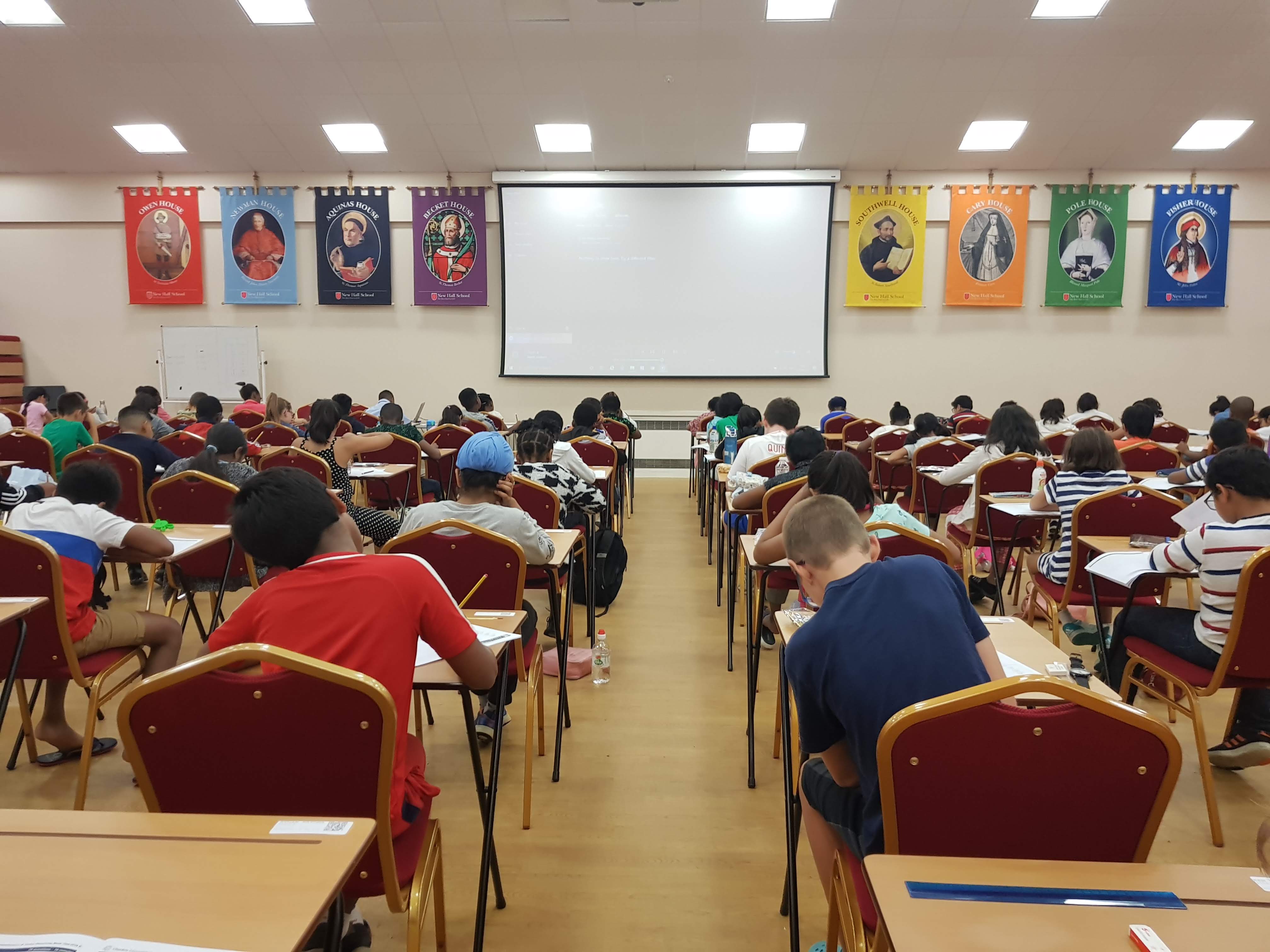
What exactly is an 11+ mock exam?
A mock is a full practice paper sat under timed, exam-style conditions — the exact subjects depend on which exam your child is actually sitting. CSSE and FSCE mocks cover English and Maths only; GL-style and ISEB-style mocks add verbal and non-verbal reasoning. Either way, the aim is to recreate the real thing as closely as possible: a quiet room, a strict clock, an answer sheet and no help from a parent or tutor. For most children, the 11+ is the first formal, high-stakes exam they will ever sit, so a mock is often their first real taste of what that feels like.
The real benefits of sitting mocks
Used well, mocks do far more than produce a score. They help in four important ways:
- They make exam conditions feel normal. The 11+ is often decided by nerves as much as knowledge. A child who has already sat three or four mocks walks into the real hall knowing exactly what to expect — the silence, the clock, the instruction to turn over the page. Familiarity takes the fear out of the unknown.
- They teach pacing. Plenty of able children lose marks simply because they run out of time or spend ten minutes stuck on one hard question. A mock reveals this clearly, and gives your child the chance to practise moving on, making a sensible guess, and coming back at the end.
- They give you an honest diagnosis. A well-marked mock shows precisely which topics are secure and which need work — not a vague feeling, but evidence. That lets the remaining weeks be spent on the things that will actually move the needle.
- They build stamina. Concentrating hard for over an hour is a skill in itself. Mocks train the mental endurance children need to keep thinking clearly right to the final question.
A word of balance
It would be dishonest to pretend mocks are all upside. Sat too often or handled badly, they can do more harm than good:
- A single disappointing paper can knock a child’s confidence at exactly the wrong moment — and one mock is never the whole picture.
- Weekly mocks can tip preparation into over-testing, leaving little time to actually learn the material a poor score exposed.
- No mock perfectly matches the real exam. Boards differ — a GL-style paper is not a CSSE or FSCE one — so a score is a guide, not a prophecy.
- If a child only ever practises test papers, they can become good at a particular format without deepening the underlying understanding that harder questions demand.
None of this is an argument against mocks. It’s an argument for using them thoughtfully.
How to get the most from mock exams
- Start timed papers in good time. Introduce full mocks from the spring of Year 5 or the start of Year 6, once the core content is in place — early enough to act on what you learn, not so early that the material isn’t there yet.
- Space them out. Every few weeks is usually plenty. The gaps are where the real learning happens.
- Review, don’t just score. The mark matters far less than the conversation afterwards: which questions were missed, and why. Every wrong answer is a free lesson.
- Match the right board. Find out whether the schools you’re targeting use GL Assessment, a consortium paper such as CSSE, or FSCE, and practise in that style so there are no surprises.
- Keep perspective — out loud. Remind your child that a mock is practice, and that the point of finding a weakness now is to fix it before it counts. How you react to a low score teaches your child how to react to setbacks.
We run regular timed papers in the run-up to the 11+, matched to the boards our families are sitting, and we go through every paper with the child afterwards — not to dwell on the score, but to turn each mistake into a clear next step. The goal is a child who walks into the real exam calm, well-paced and confident.
The bottom line
Mock exams don’t win a grammar school place on their own — understanding and hard work do that. What a well-run mock does is remove the surprises, sharpen timing, and show you exactly where the last few weeks of effort should go. Treated as a coaching tool rather than a verdict, it’s one of the most valuable things a child can do before the real day.